IndonesianTalk.com –– Awaloedin Djamin: A Police Chief Remembered by His Family and the Nation
By Ismeth Wibowo
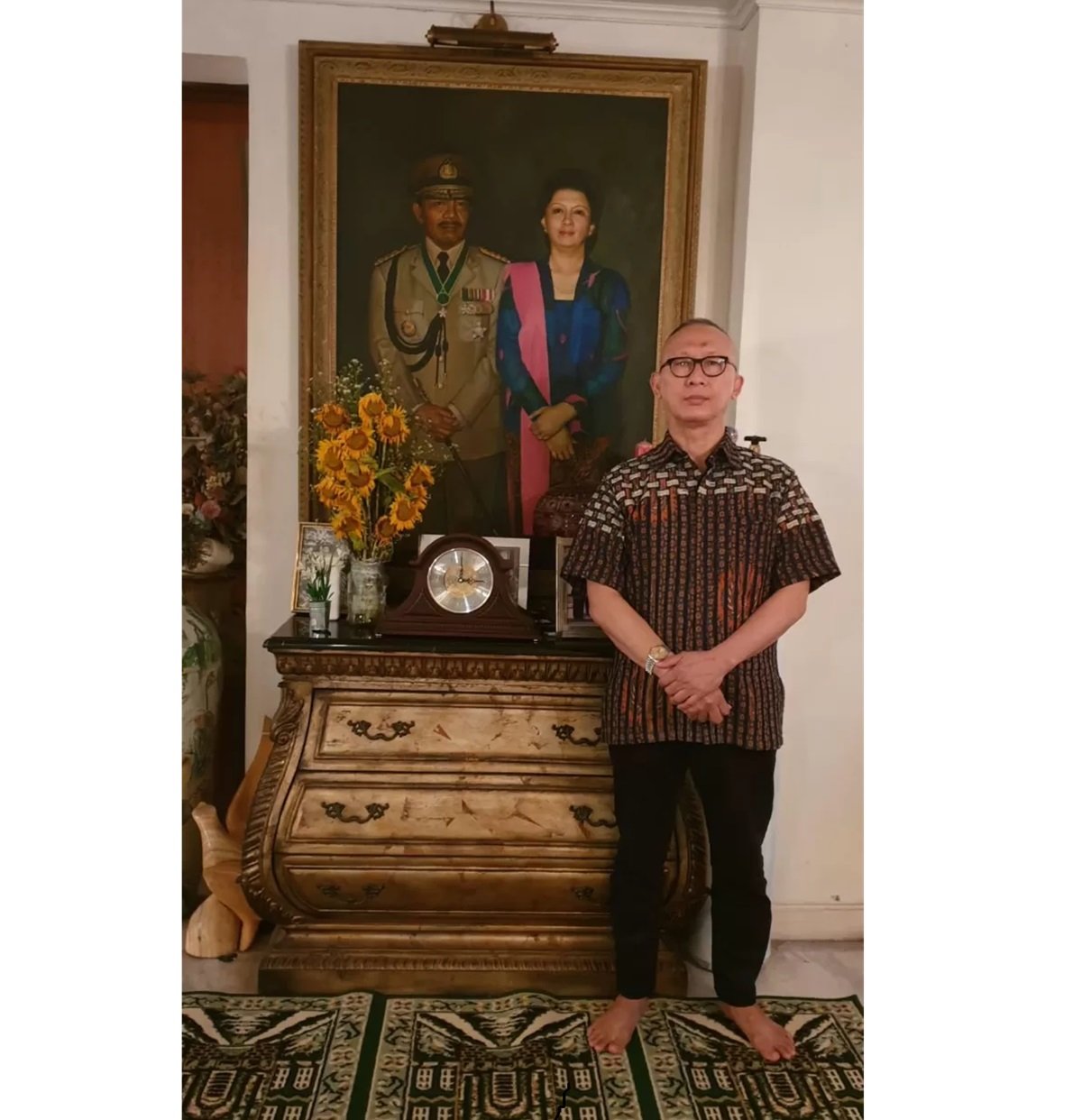
Few figures in Indonesia’s police history have left a legacy as enduring as that of Gen. (ret.) Prof. Dr. Awaloedin Djamin, M.P.A., the country’s eighth police chief, who is remembered not only for his institutional reforms but also for his integrity, professionalism and commitment to public service.
Born in Padang, West Sumatra, on Sept. 26, 1927, Awaloedin died in Jakarta on Jan. 31, 2019, at the age of 91. His name remains closely associated with the development of the Indonesian National Police (Polri), particularly through his role in establishing the security guard (Satpam) system.
President Prabowo Subianto recently recalled Awaloedin as one of the country’s legendary police chiefs during a ceremony to destroy 601.7 tons of narcotics evidence valued at Rp 61.68 trillion at the Bhayangkara Field, National Police Headquarters, Jakarta, on Thursday, Nov. 26, 2026.
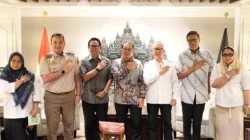
Prabowo mentioned several prominent figures in the history of the police force, including Gen. (ret.) Raden Said Soekanto Tjokrodiatmodjo, Gen. (ret.) Hoegeng Iman Santoso, Gen. (ret.) Awaloedin Djamin and Gen. (ret.) Anton Soedjarwo.
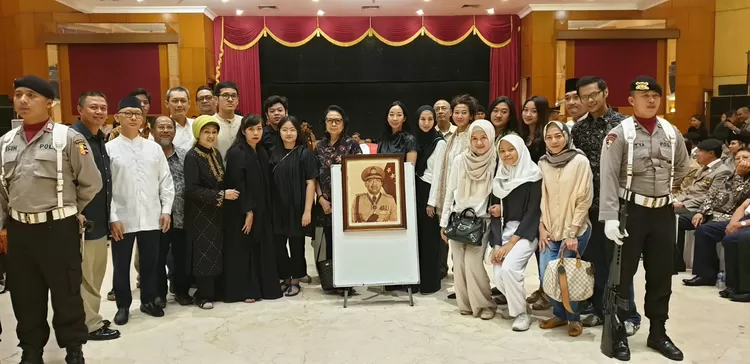
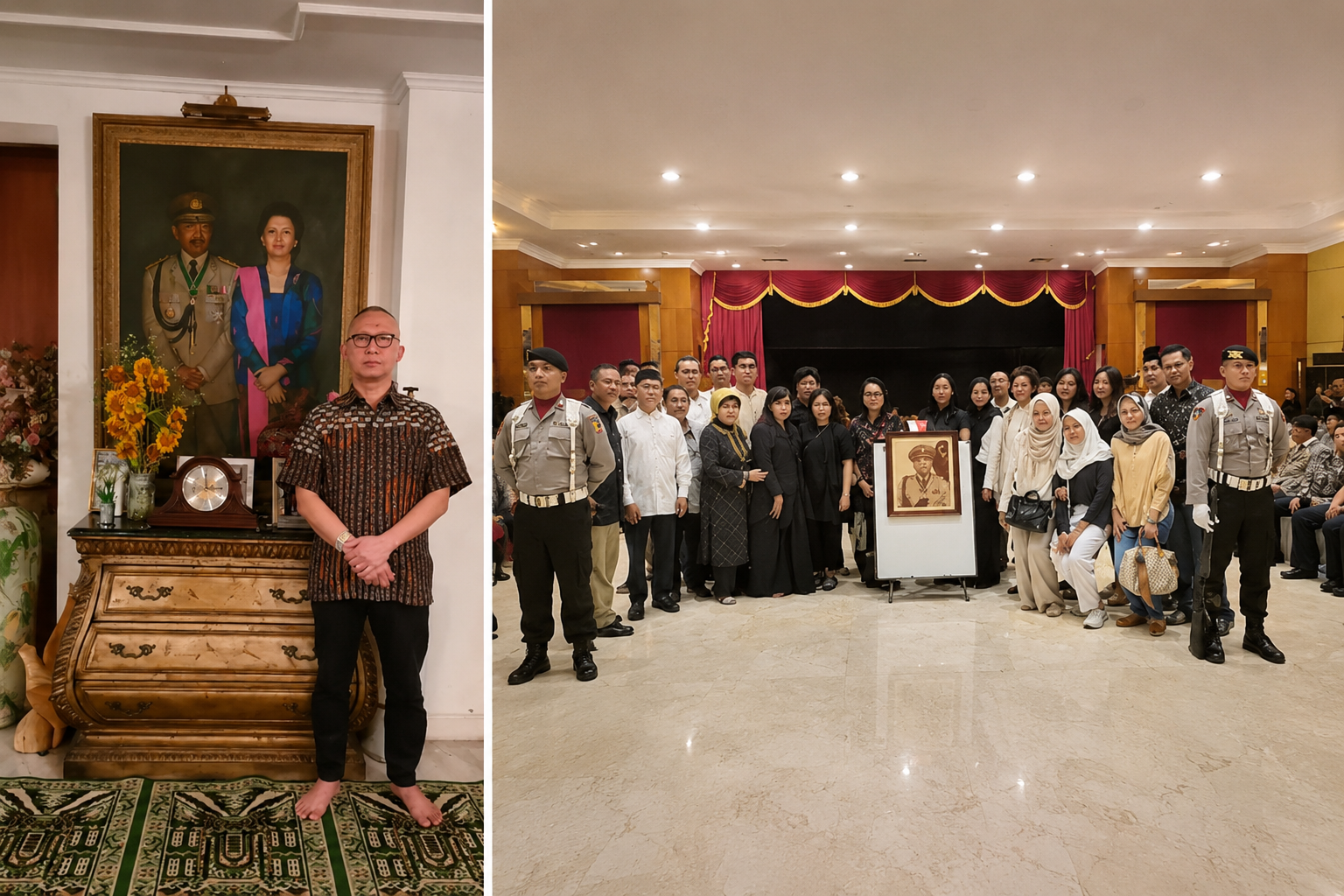
For his family, however, Awaloedin was more than a respected national figure. He was a beloved uncle whose memories remain vivid.
“Before becoming police chief, Gen. Awaloedin Djamin served as Indonesia’s ambassador to West Germany, based in Bonn. He held the position for two years,” said Ismeth Wibowo, Awaloedin’s nephew and the eldest grandson of national hero Ir. H. Djuanda Kartawidjaja, in Jakarta on Sunday, Nov. 28, 2026.
Affectionately known as Pak Awal, Awaloedin succeeded Achmad Tirtosudiro as Indonesia’s ambassador to West Germany. Two years later, President Soeharto summoned him back to Indonesia to take over as police chief. His diplomatic post was subsequently filled by Gen. Josef Muskita.
Former Cabinet secretary and former National Resilience Institute (Lemhannas) governor Andi Widjajanto once explained in a television interview that Awaloedin’s recall was related to the political aftermath of the Malari incident in 1974.
Following the Malari incident, Soeharto reportedly struggled to find a suitable candidate to replace then-police chief Gen. Widodo Budidarmo. Awaloedin, who was serving as ambassador in West Germany, was eventually recalled to lead the police force.
The political climate at the time was tense, with suspicion and uncertainty spreading in the aftermath of Malari. The position of police chief was therefore considered crucial in maintaining stability and restoring confidence.
Awaloedin served as police chief from 1978 to 1982, succeeding Widodo Budidarmo, who held the position from 1974 to 1978. Both were classmates at the Police Academy and Higher Education Institute (PTIK).
When Awaloedin completed his tenure, he was succeeded by Gen. Anton Soedjarwo, who had previously served as Jakarta police chief.
According to Ismeth, his uncle’s career path was unusual. Awaloedin served as ambassador before becoming police chief, unlike several other former police chiefs who were appointed ambassadors after leaving the police leadership.
“His career was rather unique. He served as ambassador first and only later became police chief. This was different from several former police chiefs, including Widodo Budidarmo, Rusdihardjo, Da’i Bachtiar and Mohamad Sanusi, who became ambassadors after serving as police chiefs,” Ismeth said.
Widodo Budidarmo later served as Indonesia’s ambassador to Canada, while Rusdihardjo and Da’i Bachtiar were appointed ambassadors to Malaysia.
Awaloedin was promoted from lieutenant general to full general shortly after being appointed police chief. Ismeth also noted an interesting coincidence: Awaloedin was the eighth police chief and the eighth Indonesian ambassador to West Germany.
“The number eight is also associated with President Prabowo Subianto,” he said.
The Father of Indonesia’s Security Guards
One of Awaloedin’s most significant contributions to Polri was the establishment of the Satpam system, which strengthened community-based security and helped create a more organized approach to security in workplaces and public institutions.
His contribution earned him the title of Bapak Satpam Indonesia, or Father of Indonesia’s Security Guards. The country commemorates Security Guard Day every Dec. 30 in recognition of the profession and its role in maintaining public safety.
Awaloedin held several important positions throughout his career. During Hoegeng’s tenure as police chief, he served as deputy chief of police for special affairs. Two years later, he was appointed head of the National Institute of Administration (LAN).
He also served as a member of the Supreme Advisory Council (DPA), the House of Representatives (DPR-GR), the Provisional People’s Consultative Assembly (MPRS) and the People’s Consultative Assembly (MPR).
Until the end of his life, he remained a senior adviser to the police chief.
“Pak Awal also served as a member of the Supreme Advisory Council, DPR-GR, MPRS and MPR. Until the end of his life, he was an adviser to the police chief,” Ismeth recalled.
Interestingly, Awaloedin never served as a district police chief, police precinct chief, regional police chief or provincial police chief. His career was shaped instead by national-level leadership, administrative experience, diplomatic assignments and policymaking.
He received several prestigious honors, including the Mahaputra Adipradana Star, the Bhayangkara Utama Star and awards from West Germany and the Philippines.
A Son-in-Law Who Was Expected to Stand on His Own
Awaloedin was also the eldest son-in-law of Ir. H. Djuanda Kartawidjaja, a national hero and Indonesia’s last prime minister. He married Djuanda’s eldest daughter, Poppy Marleny, on Oct. 28, 1957.
He later edited a book about Djuanda titled Ir. H. Djuanda, Negarawan, Administrator dan Teknokrat Utama (Djuanda: Statesman, Administrator and Leading Technocrat), launched at the Gran Melia Hotel in Jakarta in the presence of President Abdurrahman Wahid and Vice President Megawati Soekarnoputri.
In the book, Awaloedin recounted how Djuanda maintained a clear distinction between his official position and his role as a father-in-law.
“I was a Class I Police Commissioner when I became engaged to and married Poppy Marleny, the eldest daughter of Prime Minister Djuanda. After that, I found our own house — a pavilion on Jalan Lombok — and had to compete with fellow police officers to obtain a scholarship to study abroad,” Awaloedin wrote.
His account reflected a family principle: political connections should not be used to secure personal privileges.
During four and a half years of study in the United States, Awaloedin was promoted to assistant senior police commissioner. He held the rank for six years, including three years after Djuanda’s death.
He was promoted to senior police commissioner in 1966, shortly before being appointed minister of manpower.
Awaloedin also recalled that Djuanda encouraged him to return to police service just two days after he came home from abroad. However, he was assigned to a position lower than the one he had held before leaving Indonesia, despite his father-in-law being the First Minister overseeing the police force at the time.
“I was grateful for my father-in-law’s attitude because it taught me to have confidence in building my own career,” he wrote.
The book was published by PT Kompas Media Nusantara in 2001.
A Contribution to Democratic Principles Within the Police
Defense and security analyst Andi Widjajanto has described Awaloedin’s contribution as significant in restoring democratic principles within the Indonesian police force.
“Pak Awaloedin was the one who reintroduced formal democratic principles into the Indonesian police,” Andi said.
Awaloedin was born into the family of Marah Djamin and Zulhidjah. On his father’s side, he was the grandson of Soetan Basri, the son of Marah Oejoeb, who held the title Marah Maharadja Besar and was the last regent of Padang.
His mother was the daughter of Iljas Bagindo Saripado, a demang.
Awaloedin and Poppy Marleny had three daughters: Megia, Tania and Nadia.
His Name Lives On
Awaloedin’s legacy is reflected not only in his contributions to policing but also in institutions and buildings that bear his name.
The Awaloedin Djamin Building at the Criminal Investigation Department (Bareskrim) of National Police Headquarters is located at Jl. Trunojoyo No. 3, South Jakarta.
His name is also commemorated at Graha Awaloedin Djamin, owned by BPD ABUJAPI JAYA, on Jl. Moh. Kahfi 1 No. 79, Jagakarsa, South Jakarta; the Awaloedin Djamin Building at Jl. Gatot Subroto No. 44, South Jakarta; and the Awaloedin Djamin Flats at the Police Academy (Akpol) in Semarang, Central Java.
For Ismeth Wibowo, these commemorations represent more than recognition of a former police chief. They are reminders of a man whose influence extended beyond rank, office and awards.
Awaloedin Djamin is remembered as a figure who helped shape the police institution, but also as an uncle whose values, principles and way of life left a lasting impression on his family.
His legacy, therefore, is not confined to the buildings that carry his name or the history books that record his career. It lives on in the values he upheld: professionalism, integrity, independence and a belief that public service should be carried out with dignity.
source: https://www.hariankami.com/profile-kami/23617968881/kapolri-ke-8-jenderal-pol-prof-dr-awaloedin-djamin-ismeth-wibowo-paman-yang-saya-kenang