IndonesianTalk.com — Indonesia’s capital market is entering a phase in which market expansion is increasingly tied not only to investment activity, but also to policy coordination, professional competence and broader financial literacy.
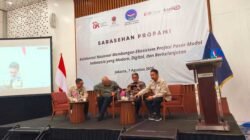
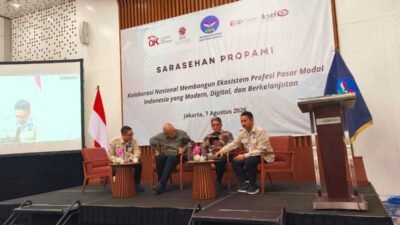
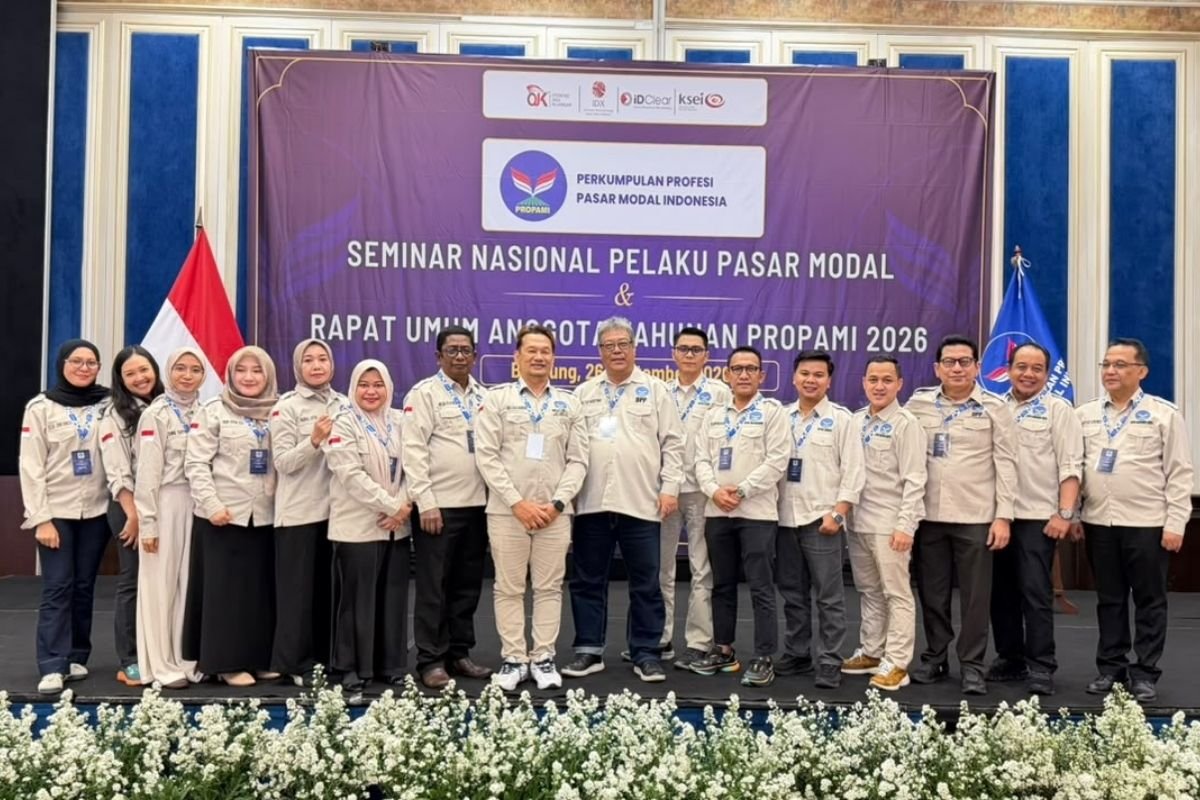
That message emerged from the National Seminar for Capital Market Professionals organized by the Indonesian Capital Market Professionals Association (PROPAMI) in Bandung on Saturday, alongside the organization’s 2026 Annual Members Meeting (RUAT).
Carrying the theme “The Future of Indonesia’s Capital Market: Synergy Between Policy, Industry, and the Profession for Sustainable Growth,” the forum brought together representatives from the capital market industry, regulators, legislators, business institutions and academia.
The discussions placed particular emphasis on the importance of stronger coordination across the capital market ecosystem as Indonesia seeks to expand participation while improving public understanding of investment and financial products.
Held at the Ballroom Suagi, The Papadanyan Hotel, Bandung, the event also marked a new cooperation framework between PROPAMI and the Indonesia Stock Exchange (IDX).
Building Financial Literacy Beyond the Major Cities
A key development at the event was the signing of a Memorandum of Understanding (MoU) between IDX and PROPAMI.
The agreement focuses on educational activities, sustainable financial literacy and cooperation between IDX Representative Offices and PROPAMI Regional Leadership Councils (DPW) across Indonesia.
The regional dimension is significant as financial market participation continues to require broader public understanding beyond Indonesia’s major financial centers.
PROPAMI Chairman NS. Aji Martono said capital market professionals have a role in helping communities understand investment more comprehensively.
Improving financial literacy, he said, can contribute to the development of a more informed investor base across different regions.
The emphasis reflects a broader challenge for the financial industry: increasing the number of investors is accompanied by the need to ensure that new participants understand investment risks, products and market mechanisms.
From Going Public to Supporting MSMEs
The seminar also examined the capital market from several complementary perspectives.
Saidu Solihin, Director of Corporate Valuation at the Indonesia Stock Exchange, discussed issues surrounding company valuation, including considerations relevant to businesses preparing to become publicly listed.
For companies seeking access to the capital market, going public represents more than a fundraising exercise. It also involves corporate readiness, valuation, governance and the ability to meet the requirements associated with becoming a publicly traded company.
Meanwhile, Bobby Cahyadi, President Director of Jamkrida West Java, brought a perspective from the guarantee industry, particularly concerning support for businesses and micro, small and medium enterprises (MSMEs).
The discussion highlighted the relationship between access to financing, business development and the broader financial ecosystem.
From academia, Dr. Erman Sumirat provided an analytical perspective on the development of Indonesia’s financial industry and the increasing interconnectedness among its various sectors.
The panel was moderated by Dr. David Nathanael Sutyanro.
Together, the speakers explored how the stock exchange, guarantee institutions and academic community can contribute from different positions to the development of a more integrated financial ecosystem.
Policy and Regulation Remain Central
The seminar also brought legislative and regulatory perspectives into the discussion.
H. Fathi, a member of Commission XI of the Indonesian House of Representatives (DPR RI), delivered a policy perspective, while Edi Broto Suwarno, Head of the Securities Institution Supervision Department at the Financial Services Authority (OJK), delivered the keynote address.
Their participation placed policy, regulation and supervision alongside industry and professional perspectives in the same forum.
For Indonesia’s capital market, the interaction between these three dimensions—policy, industry and professional capacity—remains closely connected.
Market growth requires an ecosystem in which companies can access capital, investors can make informed decisions, professionals possess appropriate competencies, and regulatory oversight continues to evolve alongside financial innovation.
The Professional Factor in Market Development
Behind the expansion of financial markets lies another factor that is sometimes less visible: human capital.
PROPAMI positions professional development as one of its core missions, seeking to strengthen the capacity of its members while building cooperation with government institutions and other stakeholders.
The growing demand for qualified professionals has also increased attention toward professional certification.
The Capital Market Professional Certification Institute (LSPPM) is part of this ecosystem, responding to the need for competent human resources as Indonesia’s financial services and capital market industries become increasingly complex.
Professional competency is particularly relevant as market participants face changing investment products, digitalization, regulatory developments and increasingly sophisticated investor expectations.
RUAT 2026 and the Organization’s Next Agenda
Alongside the national seminar, RUAT PROPAMI 2026 served as the organization’s annual internal forum.
Representatives from PROPAMI Regional Leadership Councils across Indonesia attended the meeting to discuss organizational programs, evaluate activities and consider the association’s direction for the coming period.
The combination of the national seminar and annual meeting placed PROPAMI’s organizational agenda within the wider development of Indonesia’s capital market.
The Bandung gathering ultimately brought together three elements that increasingly shape the financial sector: market development, institutional cooperation and professional capacity.
For PROPAMI, the challenge ahead is not simply how to expand the capital market, but how to strengthen the ecosystem supporting that expansion—from companies seeking access to public funding and investors entering the market, to professionals responsible for ensuring that the industry continues to operate with competence and ethical standards.