Indonesiantalk.com — Foreign Capital and the Subtle Fracturing of Prabowo’s Power Axis
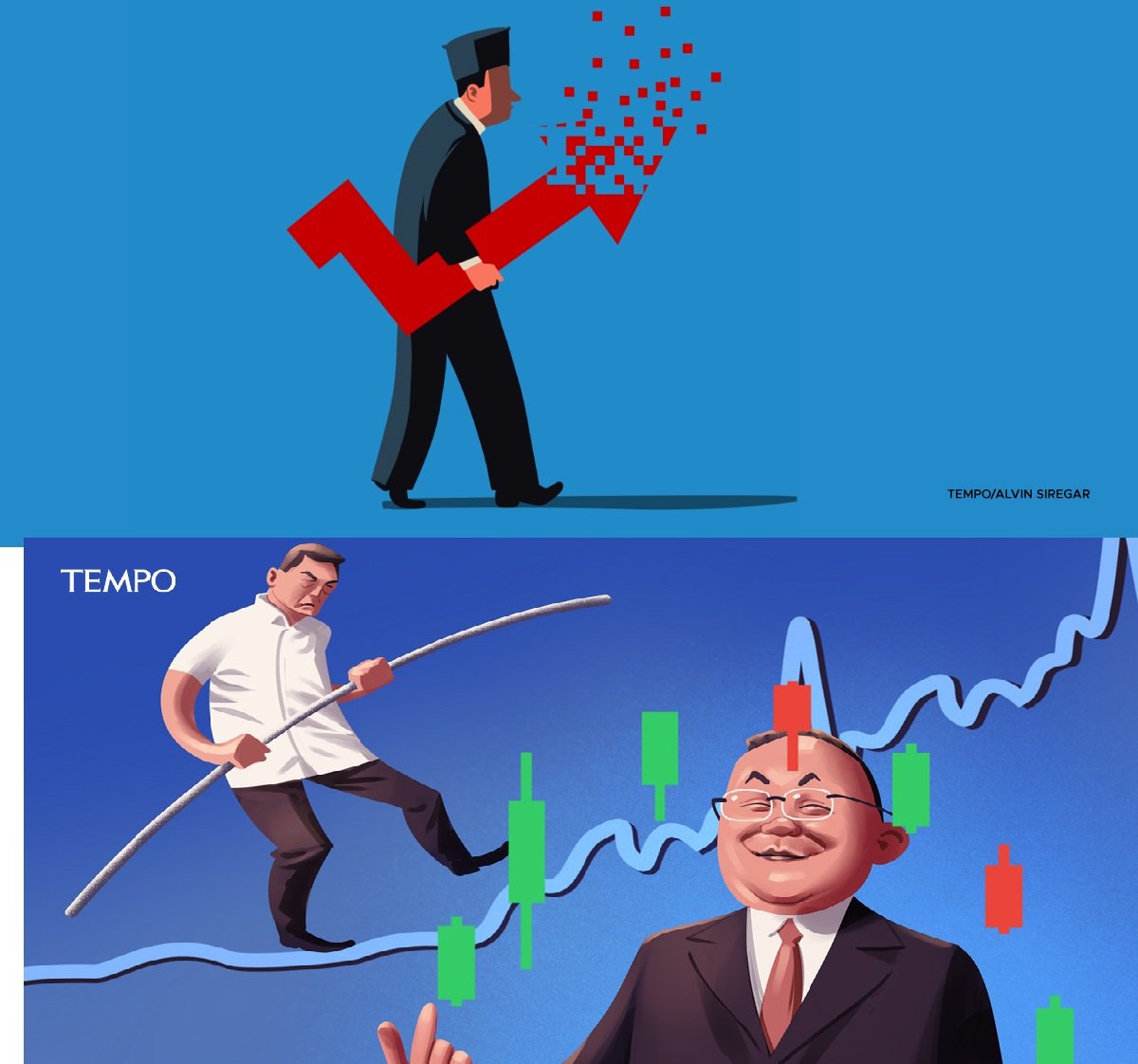
Indonesia’s political stage was recently animated by a narrative pushed by Tempo, portraying an alleged rift between two central figures within President Prabowo Subianto’s inner circle: Sjafrie Sjamsoeddin and Sufmi Dasco Ahmad.
The framing suggested an open confrontation, staged theatrically across the sensitive terrain of Indonesia’s financial markets and regulatory institutions.
To seasoned observers of intelligence, media dynamics and geopolitics, however, this was less a revelation of substance than a familiar political technique: divide et impera—divide and rule.
The more pertinent question is not whether tensions exist (they always do in governance), but why such tensions are magnified, dramatized, and timed in ways that risk unsettling a government currently projecting internal cohesion.
Who benefits from such a portrayal, and who quietly directs the editorial compass?
The “Virtuous” Face of Infiltration
History shows that media have long served as effective instruments in asymmetric warfare. In the contemporary era, influence no longer arrives through gunboats, but through capital flows wrapped in benevolent language: democratization, civil society strengthening, environmental justice, gender equality.
It is publicly known that Tempo’s digital subsidiary, PT Info Media Digital, has received financing from the Media Development Investment Fund (MDIF). While officially described as working capital or convertible debt, in the realm of power politics there is, as the old adage goes, no free lunch.
MDIF traces its institutional lineage to early backing from George Soros and has been active primarily in post-authoritarian or transitional states—contexts where narratives remain fluid and public trust is contestable. Its programs are normatively appealing and difficult to reject.
Who would oppose poverty reduction, environmental protection, or human rights advocacy?
Yet beneath this ethical packaging lies a subtler effect: the normalization of permanent skepticism toward the state. Journalistic reflexes are shaped to presume government failure, to downplay policy successes, and to inflate routine internal disagreements into signs of systemic crisis.
The state must never be right; its achievements must always be provisional, suspect, or accidental.
The Powell Doctrine Revisited
To understand why foreign funding can become strategically consequential, one may revisit the thinking of the late Colin Powell. A career general and former U.S. Secretary of State, Powell understood foreign assistance not as charity, but as a component of what he termed a “total force concept.”
In this framework, aid—including support for media and civil society—functions as a non-military instrument to ensure recipient countries remain aligned with the strategic orbit of donor states. Control the narrative, and military intervention becomes unnecessary.
When a government begins to demonstrate policy independence—through industrial downstreaming, economic nationalism, or food self-sufficiency, as emphasized by President Prabowo—democratization narratives are often reactivated, not to deepen democracy per se, but to generate internal noise and elite fragmentation.
Seen through this lens, the portrayal of conflict between Sjafrie Sjamsoeddin and Sufmi Dasco Ahmad can be read as more than journalistic coincidence.
Weakening key stabilizing figures risks unsettling investor confidence, eroding regulatory credibility, and nudging Indonesia back toward dependency on external policy prescriptions.
Editorial Proxy and Narrative Engineering
Foreign-funded media partnerships often come with issue briefs, global datasets, and ready-made story frames.
These materials lower newsroom costs while subtly guiding editorial focus. Issues cease to emerge organically; they are selected, prioritized, and amplified in alignment with donor-defined themes.
When coverage fixates on alleged infighting within strategic institutions, it creates a smoke screen—obscuring policy continuity and exaggerating friction that may, in reality, reflect normal bureaucratic dynamics. Operationally legal, perhaps; ethically ambiguous, certainly.
The media’s democratic role is to act as a watchdog for public interest. When editorial judgment begins to mirror donor sensibilities rather than national priorities, watchdogs risk becoming hunting dogs for external agendas.
Sovereignty Above All
In the information age, news is ammunition and media outlets are weapons platforms. When ownership remains domestic but narrative supply chains are external, the direction of fire can quietly shift.
Indonesia will not collapse because of one media narrative. But vigilance is non-negotiable. Distinguishing between constructive criticism and strategic narrative warfare is now a core element of national resilience.
The current attempt to dramatize internal government relations should be read as a warning signal: not of imminent instability, but of discomfort—external discomfort—with Indonesia’s growing political and economic self-confidence.
The ultimate question remains for all media institutions: whose interests are ultimately being served? The red and white of national responsibility, or the green of foreign capital that sees stability as an obstacle rather than an achievement?
Dr. Eko Wahyuanto
Public Policy Analyst
- Note: This article reflects the author’s personal opinion and does not represent the views of Indonesiantalk.
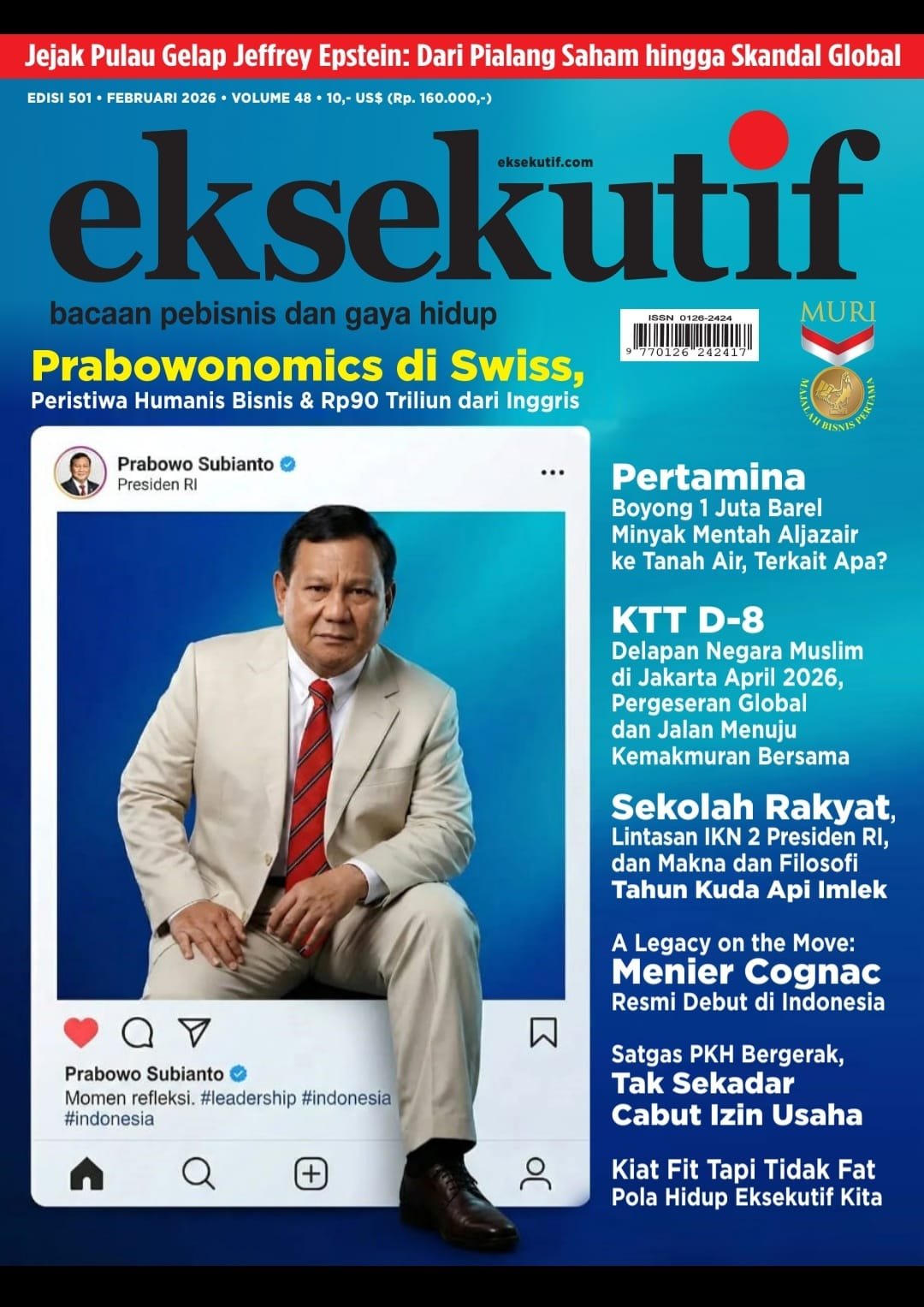
Jual Majalah eksekutif / ED 501 2026 Karya eksekutif