IndonesianTalk.com — The Iran–Israel–United States Crisis and the Call for Indonesia as Peacemaker. By Dr. Eko Wahyuanto
The Middle East is once again on fire. The hum of war machines has pierced the fragile calm of the region, signaling not merely another round of hostilities but a deeper fracture in the international legal order.
Israel ignited the latest spark. The United States stood firmly behind it. Iran retaliated, targeting strategic American military bases across the Arabian Peninsula.
Missiles from Washington and Tel Aviv struck Tehran’s defense centers, devastating key government infrastructure and shaking the heart of the Iranian capital.
The death of Iran’s Supreme Leader, Ali Khamenei, marked a dramatic turning point. An emotional funeral procession followed, broadcast widely and framed by many as the result of a “decapitation strategy” — the belief that eliminating the head of leadership will cause the body politic to collapse.
History, however, offers no simple confirmation of such logic. Iran is not a fragile state easily subdued by missile strikes alone. Its political architecture, revolutionary ideology, and regional networks suggest that the removal of a leader does not automatically dismantle the state.
Indonesia’s Philosophical Position
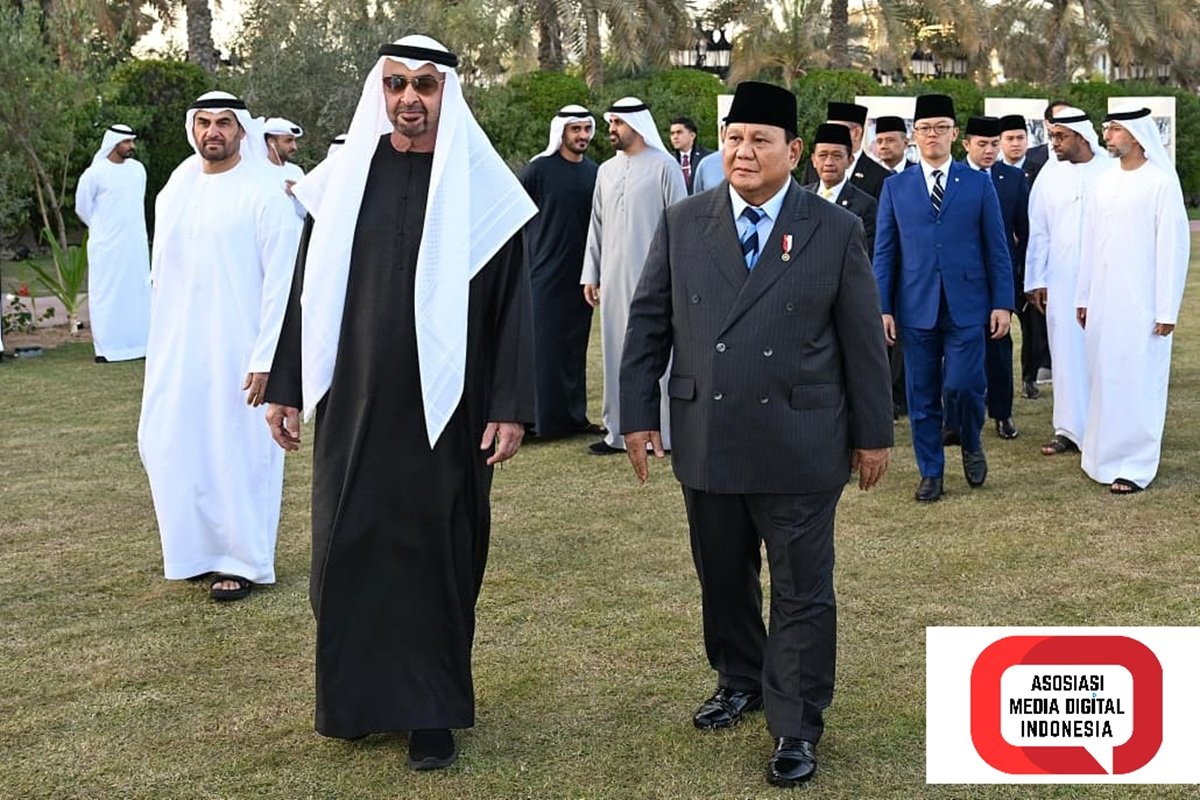
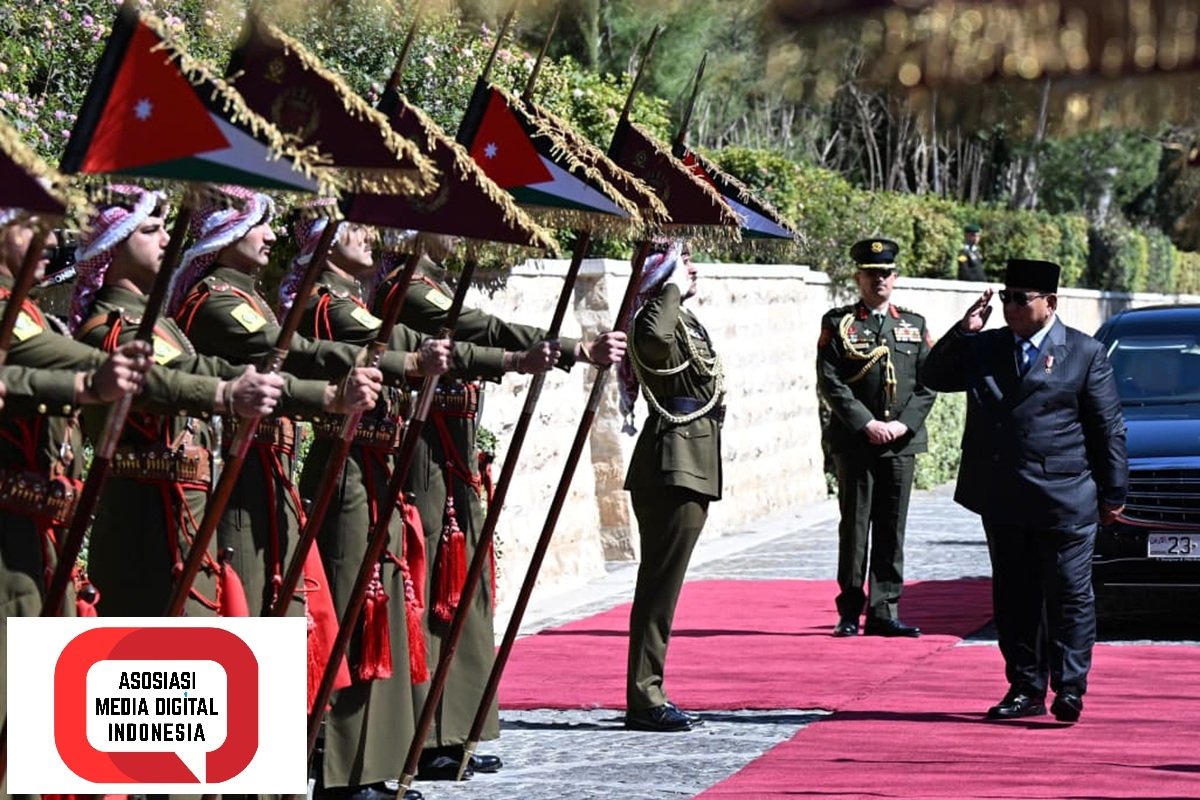
Amid this turmoil, Indonesia finds itself at a consequential crossroads. In Jakarta, Iran’s Ambassador to Indonesia publicly urged President Prabowo Subianto to assume the role of mediator in the escalating crisis.
Public voices at home have echoed similar calls, urging the government to press both the United Nations and the Organisation of Islamic Cooperation to take firmer action. Yet in times of war, the alarm of peace often struggles to compete with the drumbeat of retaliation.
For Indonesia, the constitutional mandate to contribute to global order is not optional. It is imperative. The doctrine of a “free and active” foreign policy does not mean neutrality in the face of injustice, nor reckless intervention without calculation. It demands principled engagement.
Under President Prabowo’s leadership, Indonesia views sovereignty as an inalienable right of every nation. The foundations of global rule of law must be safeguarded against the slide into naked power politics. International anarchy cannot become the new norm.
Scenarios of Uncertainty
Analytically, the Iran–Israel–United States confrontation opens several consequential scenarios that could define the trajectory of the 21st century.
First: Controlled, limited warfare.
In this scenario, all actors stand at the edge of escalation but refrain from plunging into full-scale conflict. Strikes are calibrated to preserve deterrence and domestic credibility. Back-channel diplomacy continues quietly beneath visible tension.
Second: Regional escalation.
This is the most alarming possibility. If the Strait of Hormuz were blocked, nearly 20 percent of global oil supply would be disrupted.
The conflict would no longer be confined to the Middle East; it would trigger a systemic global crisis. Oil prices would soar, inflation would spike, and economies worldwide — including Indonesia’s — would feel the shock. War would shift from missile exchanges to economic endurance.
Third: Internal upheaval and regime change.
History warns of the perils of engineered collapse. Calls for domestic uprising amid external attack are high-stakes gambles. Lessons from Iraq and Libya reveal that power vacuums often breed fragmentation and prolonged instability. Legitimacy cannot be manufactured through force alone.
A Paralysed United Nations
The world appears unwell. The United Nations faces criticism for perceived double standards — advocating human rights while appearing powerless to halt aggression. Expressions of “deep concern” ring hollow without credible enforcement.
When multilateral mechanisms falter, middle powers can step forward as bridge builders. Indonesia could push for a more assertive role by the UN General Assembly, while encouraging the Organisation of Islamic Cooperation to evolve beyond symbolic solidarity into a meaningful political and economic force.
As President Prabowo has emphasized, peace does not emerge from hegemony but from mutual recognition of sovereignty without fear.
Implications for Indonesia
The implications for Indonesia are multidimensional. A surge in global crude prices could strain the state budget, expanding energy subsidies and pressuring fiscal stability.
Disruptions to maritime trade routes would raise transportation costs, driving up the price of basic goods and directly impacting household purchasing power.
As the world’s largest Muslim-majority nation, Indonesia also carries moral weight. Public sentiment at home must be carefully heard before strategic decisions are made.
Indonesia’s Ministry of Foreign Affairs will play a critical role in advising the President on precise multilateral positioning — firm against aggression, yet consistent with Indonesia’s long-standing rejection of militarism as a tool of conflict resolution.
Simultaneously, the protection of Indonesian citizens in affected areas must remain a top priority.
Ultimately, history does not record how many missiles were launched or how sophisticated air defense systems were deployed. It remembers who extended their hand to stop the bloodshed.
Indonesia, if it chooses to act with strategic clarity and diplomatic resolve, may yet become that extended hand — answering the call to serve as peacemaker in one of the most dangerous confrontations of our time.