IndonesianTalk.com — Jakarta begins transition away from open dumping as Bantargebang landfill enters new phase
After decades of symbolizing Jakarta’s mounting waste crisis, the Bantargebang Integrated Waste Management Site (TPST Bantargebang) has begun showing signs of a long-awaited transformation.
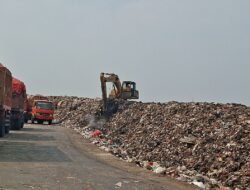
On Tuesday, Aug. 4, sections of waste piles in Zone 1 were seen covered with large sheets of black geomembrane, marking the start of the capital’s transition from an open dumping system toward a controlled landfill.
The change represents far more than a cosmetic improvement. The Jakarta administration describes it as the first stage of a comprehensive overhaul of the city’s waste management system, with full implementation targeted by 2029.
Under the new strategy, Bantargebang will no longer serve as the final destination for all municipal waste generated by the capital. Instead, only residual waste that cannot be recycled or processed elsewhere will eventually be transported to the landfill.
Agung Pujo Winarko, head of the Jakarta Environmental Agency’s Integrated Waste Management Unit (UPST), said the transformation would be carried out gradually in line with the construction of new waste processing facilities across the city.
“Jakarta has started transforming its waste management system. Step by step until 2029, we aim to ensure that all waste generated in Jakarta can be properly processed, so that only residual waste will be sent to TPST Bantargebang,” Agung said.
More than covering waste piles
The installation of geomembrane is a key component of the controlled landfill concept.
Before the impermeable membrane is laid, waste is leveled and compacted using heavy machinery to create a stable slope. The geomembrane is then installed to prevent rainwater from penetrating the waste mass.
The system is expected to significantly reduce the formation of leachate, lower the risk of environmental contamination and minimize landfill fires caused by methane gas accumulation, a recurring problem at open dumping sites.
Authorities also say the cover helps suppress foul odors, prevents waste from being blown away by strong winds and reinforces landfill slopes to reduce the risk of landslides.
The transition, however, remains a work in progress. Bantargebang consists of six landfill zones, four of which are still operating as active disposal areas receiving thousands of tons of waste transported daily from Jakarta.
Roadmap to end open dumping
The Jakarta administration has prepared a phased roadmap to eliminate open dumping.
By 2027, the volume of waste disposed of through open dumping is expected to decline by about 33.56 percent.
By 2028, most of Jakarta’s waste is projected to be processed through decentralized waste treatment facilities, including Reduce-Reuse-Recycle (TPS3R) centers and Refuse Derived Fuel (RDF) plants.
Once those facilities become fully operational, only residual waste will be delivered to Bantargebang under a sanitary landfill system.
The city aims to completely phase out open dumping by 2029.
The strategy is also supported by broader efforts to reduce waste generation at its source through household waste segregation, expanded processing capacity and the promotion of a circular economy.
International technology firms take notice
Bantargebang’s transformation has also attracted attention from international environmental technology companies.
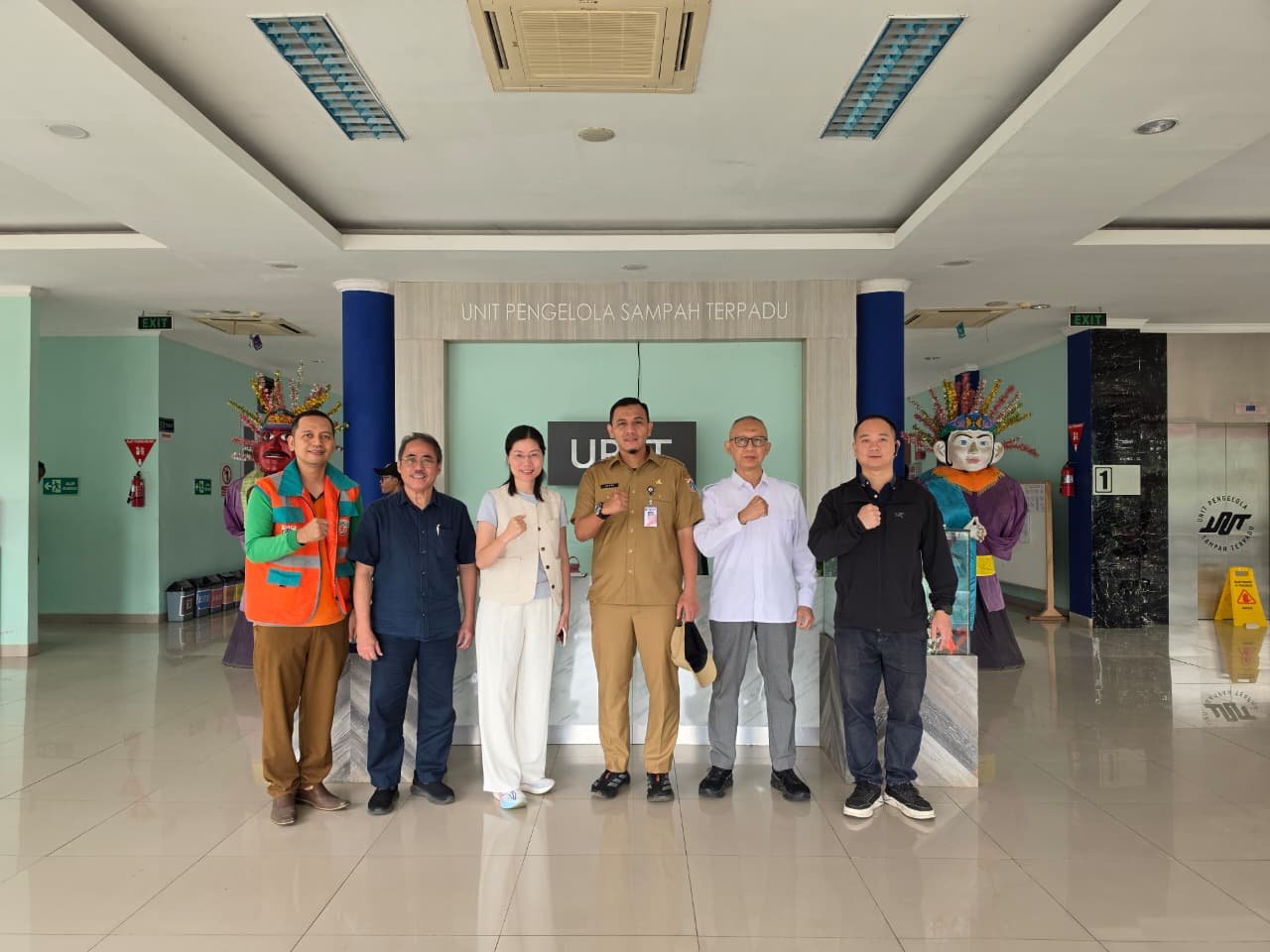
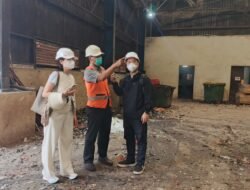
Among the visitors to the landfill this week was Ismeth, Senior Advisor of GAD Environmental Co. Ltd, an environmental engineering company based in Shenzhen, China, with extensive experience in landfill management and waste treatment technologies.
He was accompanied by Zheng Xuewen, Director of the Overseas Affairs Department, Tam Chiu, Deputy General Manager, and Ahmed Kurnia, the company’s Communication Expert.
The visit reflects growing international interest in Jakarta’s efforts to modernize its waste management system and opens opportunities for future exchanges in technology and expertise on sustainable landfill management.
Shifting the paradigm
For more than three decades, Bantargebang has been synonymous with towering mountains of waste produced by Indonesia’s capital.
That perception is now beginning to change.
Rather than functioning as a dumping ground for all municipal waste, the landfill is being repositioned as the final destination only for residual waste that can no longer be recovered or processed.
The transformation is still in its early stages. Waste trucks continue to arrive every day, and much of the landfill remains operational.
Yet the closure of Zone 1 with geomembrane signals the beginning of a new chapter — one in which Jakarta gradually moves away from simply disposing of waste toward a more controlled, environmentally responsible and internationally aligned landfill management system.