IndonesianTalk.com — Soemitro Djojohadikusumo Library Opens to Preserve Indonesia’s Financial Legacy
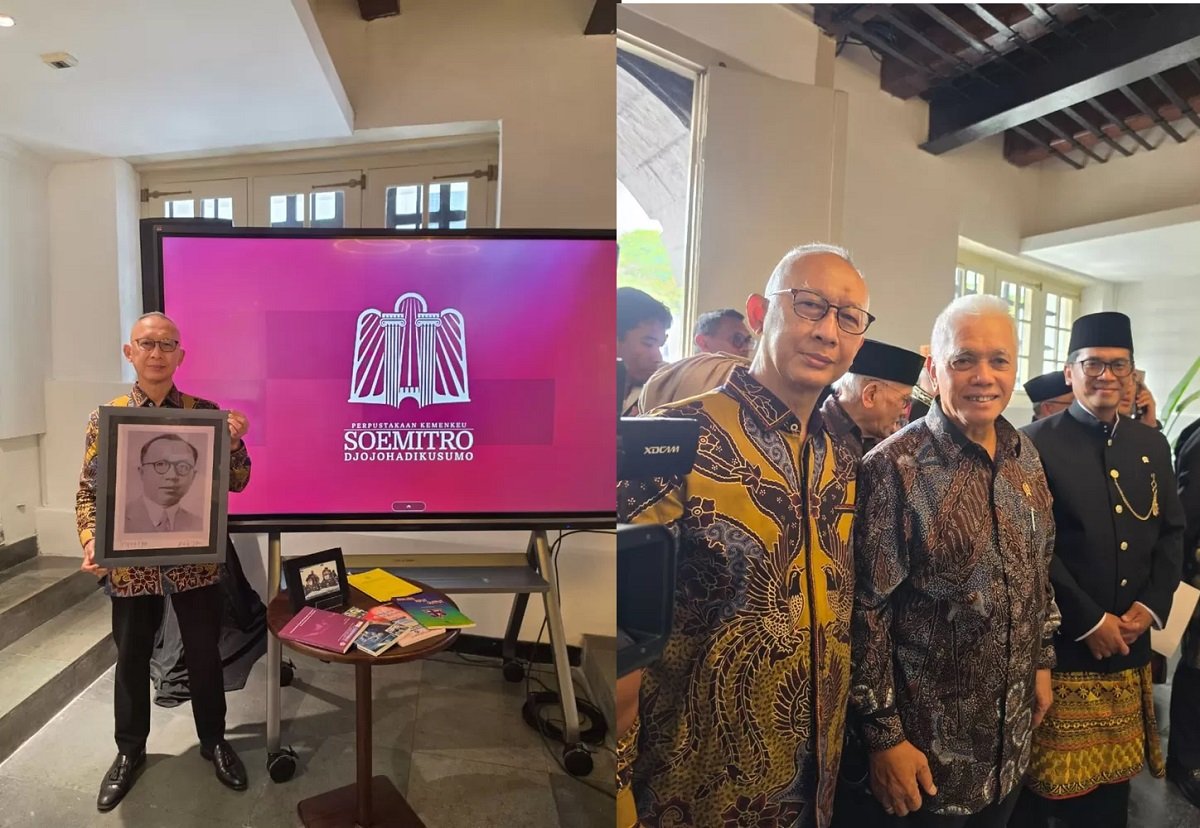
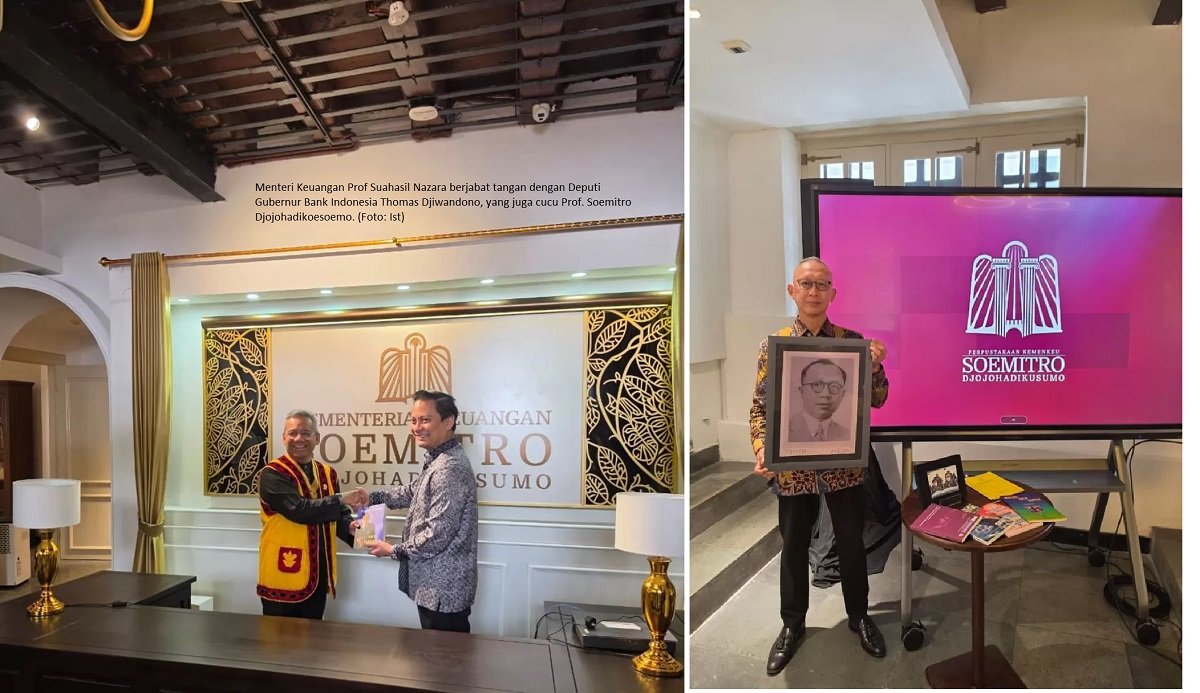
Ismeth Wibowo, grandson of the late Indonesian statesman Ir. H. Djuanda Kartawidjaja, attended the inauguration of the Soemitro Djojohadikusumo Library at the Ministry of Finance’s AA Maramis Building in Central Jakarta on Friday, Oct. 30, 2026.
Finance Minister Suahasil Nazara led the inauguration ceremony, which brought together senior government officials, financial sector representatives and family members of several of Indonesia’s former finance ministers.
The library, housed in the recently renovated AA Maramis Building in the Lapangan Banteng area, is intended to preserve the intellectual legacy of the country’s finance ministers and strengthen the ministry’s institutional memory.
For Ismeth, the initiative goes beyond collecting books and historical documents. It offers an opportunity to ensure that the ideas, experiences and public service values of previous generations remain accessible to future policymakers and the wider public.
“The library not only brings together the works and thoughts of finance ministers across different periods, but is also expected to become part of the Ministry of Finance’s institutional memory,” Ismeth said.
He added that the facility would provide future generations with an opportunity to explore the ideas of former finance ministers as well as those of the current minister, Suahasil Nazara.
“Today’s generation inherits not only buildings and physical assets, but also the ideas and responsibilities built by the nation’s predecessors,” he said.
A repository of knowledge and history
The inauguration ceremony began at 9:40 a.m. with the signing of a book as a symbolic gesture marking the library’s opening, followed by a tour of the facility.
The library houses several categories of material, including general knowledge resources, publications by former finance ministers, special collections and a mini archive documenting aspects of the ministry’s history.
The program also featured the screening of a video titled Legacy Journey, followed by a legacy handover ceremony symbolizing the transfer of knowledge and responsibility across generations. The event concluded with remarks from the finance minister and a group photograph.
The library is named after Soemitro Djojohadikusumo, a prominent Indonesian economist and former finance minister whose contributions helped shape the country’s economic thinking.
By bringing together publications, historical records and specialized collections, the facility is expected to provide a resource for researchers, policymakers, students and members of the public seeking to understand the evolution of Indonesia’s fiscal and economic policies.
Institutional memory is particularly important in public administration, where changes in leadership can risk disrupting the continuity of knowledge and experience. Preserving records of past decisions and policy debates can help institutions learn from earlier successes and shortcomings while responding to new economic challenges.
The library could therefore serve as more than a repository of historical materials. It could become a space for examining how economic ideas have evolved and how previous policy choices continue to influence contemporary governance.
Officials and families of former ministers attend
The ceremony was attended by Deputy Finance Ministers Juda Agung, Luky Alfirman and Nurkholisoh Ibnu Aman, as well as Bank Indonesia Deputy Governor Thomas Djiwandono.
Thomas is a grandson of Soemitro Djojohadikusumo and a nephew of President Prabowo Subianto.
Other attendees included Presidential Advisory Council Deputy Chair Hatta Rajasa, Finance Ministry Secretary-General Astera Primanto Bhakti, Customs and Excise Director General Djaka Budhi Utama, and State Assets Director General Evita Manthovani.
Representatives of families associated with Indonesia’s former finance ministers were also present, including Ria Prawiro, daughter of Radius Prawiro; a son of Ali Wardhana; Ati Bambang Subianto, daughter of Bambang Subianto; a nephew of AA Maramis; and family members of Syafrudin Prawiranegara, JB Sumarlin, Mar’ie Muhammad and Frans Seda.
Their presence underscored the historical dimension of the occasion, bringing together government officials and families whose personal histories are closely connected to the development of Indonesia’s economic institutions.
The gathering also highlighted the importance of preserving the contributions of earlier generations of public officials, whose decisions helped shape the country’s financial administration and economic direction.
Connecting historical legacy with future policy
The library’s inauguration coincided with two national commemorations led by Suahasil earlier on Friday: the 80th anniversary of the Republic of Indonesia’s Currency Day, known as Hari Oeang Republik Indonesia, and the 98th anniversary of Youth Pledge Day.
Together, the commemorations and the library opening highlighted themes of national history, public service and intergenerational responsibility.
For the Ministry of Finance, preserving historical knowledge can help maintain institutional continuity while allowing new generations of officials to assess past policies in the context of changing economic conditions.
Historical collections can also provide valuable material for public education, offering insights into the challenges faced by previous administrations and the economic thinking that informed their decisions.
The long-term value of the Soemitro Djojohadikusumo Library will depend not only on the materials it preserves, but also on how effectively those resources are made accessible and used.
As Ismeth emphasized, the legacy of the nation’s predecessors extends beyond physical assets. Their ideas and responsibilities form part of a broader inheritance that future generations must understand, preserve and develop.
Through the new library, the Ministry of Finance seeks to ensure that the intellectual contributions of its predecessors remain relevant—not merely as records of the past, but as a source of knowledge for Indonesia’s economic future.*