IndonesianTalk.com — Families of Indonesia’s Finance Ministers Reunite at Newly Inaugurated Library
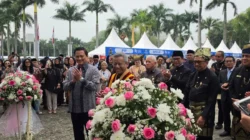
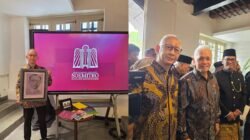
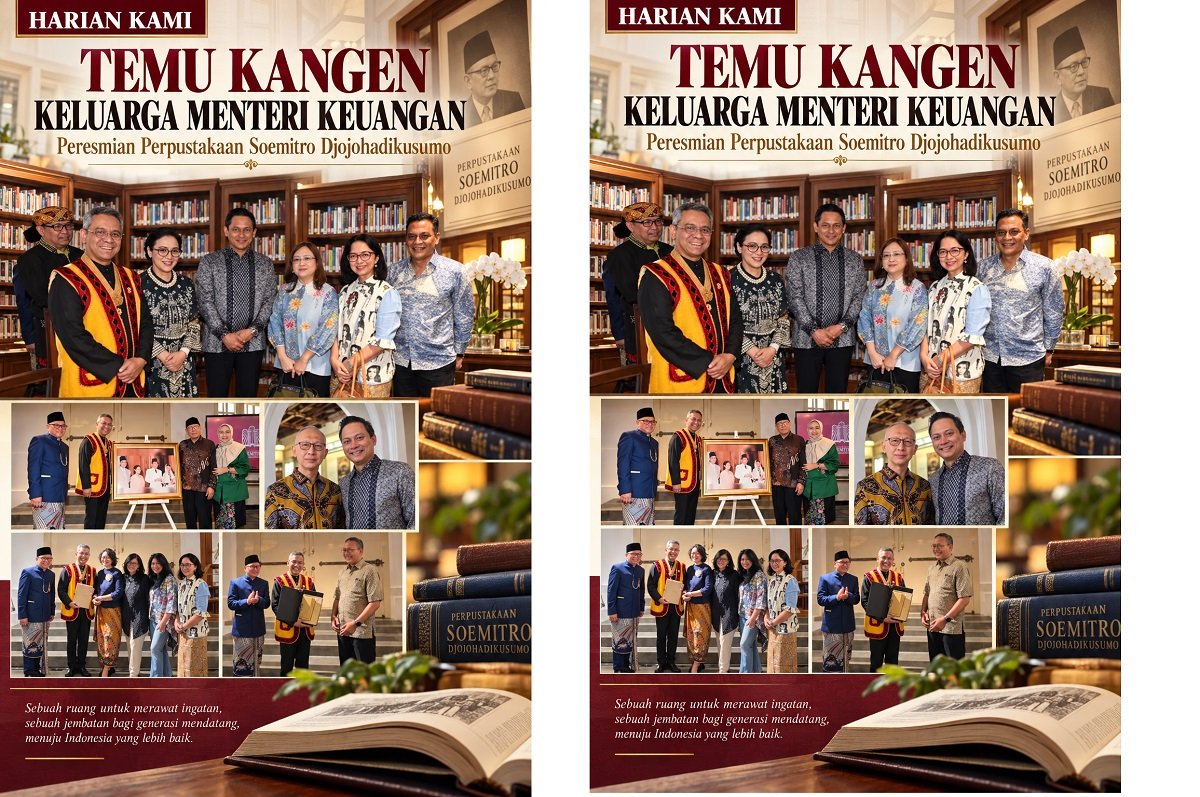
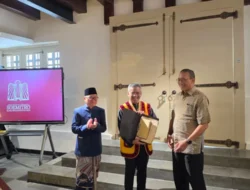
The inauguration of the Soemitro Djojohadikusumo Library at the Ministry of Finance on Friday, October 30, 2026, brought together not only prominent figures from Indonesia’s financial and public sectors but also members of the families of former finance ministers, turning the historic occasion into a nostalgic reunion across generations.
Finance Minister Prof. Suahasil Nazara officially inaugurated the library, located in the AA Maramis Building at the Ministry of Finance complex on Lapangan Banteng Timur, Central Jakarta. The institution is intended to preserve the intellectual legacy, ideas and contributions of the country’s finance ministers throughout Indonesia’s history.
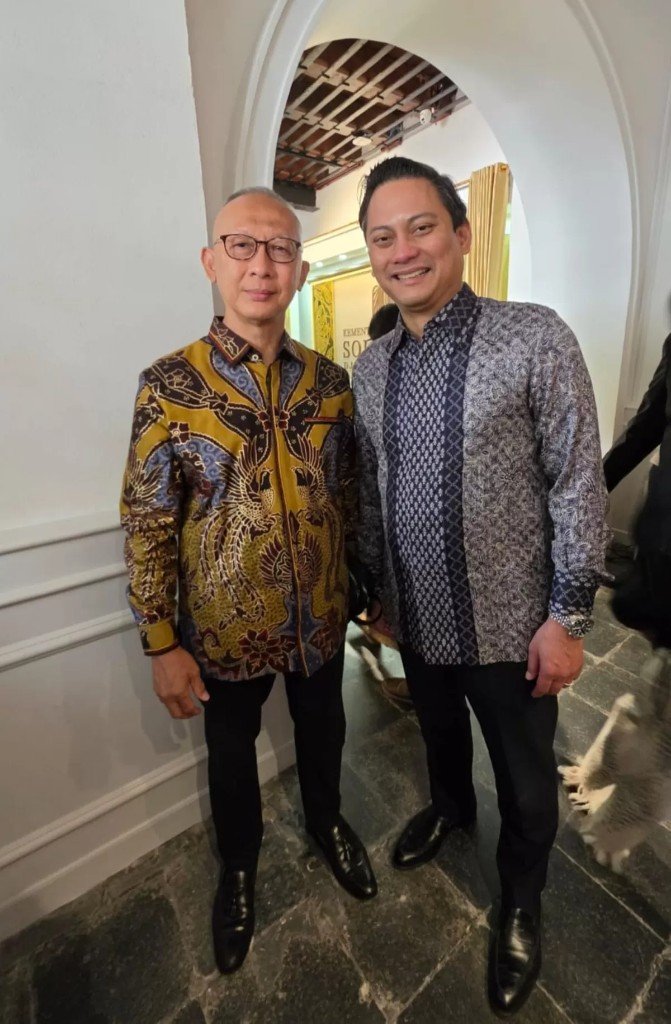
Among those attending was Bank Indonesia Deputy Governor Thomas Djiwandono, a grandson of Soemitro Djojohadikusumo, who served as finance minister during the Wilopo Cabinet from 1952 to 1953 and the Burhanuddin Harahap Cabinet from 1955 to 1956. Thomas is also a grandson of President Prabowo Subianto.
The gathering also welcomed Ismeth Wibowo, a grandson of former finance minister Ir. H. Djuanda Kartawidjaja, who held the post from July 10, 1959, to July 1, 1960, under President Soekarno’s First Working Cabinet.
Other descendants and family members of former finance ministers included Ria Prawiro, daughter of Radius Prawiro, and Mahendra, son of Ali Wardhana. Representing the family of AA Maramis were Handini Ninin Maramis, while David and Ati attended as members of the family of Bambang Subianto.
The family of former finance minister Syafruddin Prawiranegara was represented by Ir. Chalid Prawiranegara, Nuning Chalid, Faridah Pardjaman Prawiranegara and Adam Pardjaman.
Syafruddin served as finance minister during two periods, from October 2, 1946, to June 26, 1947, and from December 20, 1949, to April 27, 1951. He is widely remembered for the monetary measure known as Gunting Syafruddin (Syafruddin’s scissors), an unconventional policy that cut the value of certain banknotes in an effort to address the country’s financial difficulties.
Also attending were the son of former finance minister JB Sumarlin, members of Mar’ie Muhammad’s family and members of the family of Frans Seda.
Preserving the Nation’s Financial History
The inauguration marked an important step in the Ministry of Finance’s efforts to make its institutional history more accessible to the public, particularly younger generations seeking to understand the evolution of Indonesia’s economic and fiscal policies.
During a visit to the library’s relocation site on October 2, Suahasil emphasized that the institution should be more than a conventional reading room. He envisioned a space where visitors could experience the history, knowledge and ideas that have shaped the management of the nation’s finances.
The Pustaka Menkeu, or Finance Minister’s Library, is designed to bring together the works, writings and intellectual contributions of finance ministers from different periods of Indonesian history.
Suahasil has also encouraged the presentation of historical materials in more visual, engaging and accessible formats. One proposed approach is to introduce thematic exhibitions that can be updated periodically, allowing visitors to gain a deeper understanding of the country’s financial history through an interactive and immersive experience rather than simply reading documents.
The initiative reflects a broader ambition to connect historical knowledge with contemporary public understanding of economic governance and the development of Indonesia’s financial institutions.
A New Chapter for the AA Maramis Building
For Ismeth Wibowo, the inauguration represents a new chapter in the history of the Republic of Indonesia.
“The library is a new space to discover knowledge, explore ideas and nurture new thinking,” Ismeth said.
The library builds on the historical significance of the AA Maramis Building, transforming the site into a place where institutional memories can be preserved and the values of public service passed on to future generations.
He said the library’s thoughtful and welcoming design would allow its benefits to reach a broader segment of Indonesian society.
“The Soemitro Djojohadikusumo Library, designed to be attractive and comfortable, now offers wider benefits to all Indonesians. This marks the beginning of a new chapter, one that places greater value on intellectual thought and the development of ideas, particularly those inherited from our predecessors,” Ismeth said.
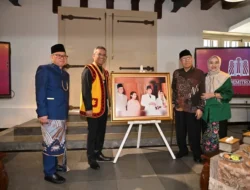
The presence of descendants of former finance ministers added a personal dimension to the inauguration. Beyond their historical contributions to government, the figures represented by the gathering were also remembered through the experiences and family stories shared by their descendants.
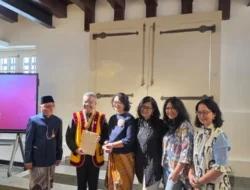
The event concluded with a group photograph, accompanied by conversations and reminiscences about family life, social relationships and the shared journey of building the Indonesian nation.
More than a ceremonial opening, the gathering served as a reminder that the history of public institutions is also a history of people, ideas and generations whose contributions continue to shape the country’s future.