IndonesianTalk.com — BAKOM RI: Public Happiness Over 2026 World Cup Broadcast Reaches 80 Percent
BANJARMASIN — The 2026 FIFA World Cup is still months away from kickoff, yet anticipation is already dominating Indonesia’s digital conversation.
The excitement stems not only from football fever but also from the decision to grant national public broadcaster TVRI the broadcasting rights, allowing Indonesians to watch the tournament free of charge.
The Indonesian Government Communication Agency (BAKOM RI) reported that public happiness regarding TVRI’s planned broadcast of the 2026 World Cup has reached 80 percent, based on an analysis of online conversations across social media platforms and digital channels.
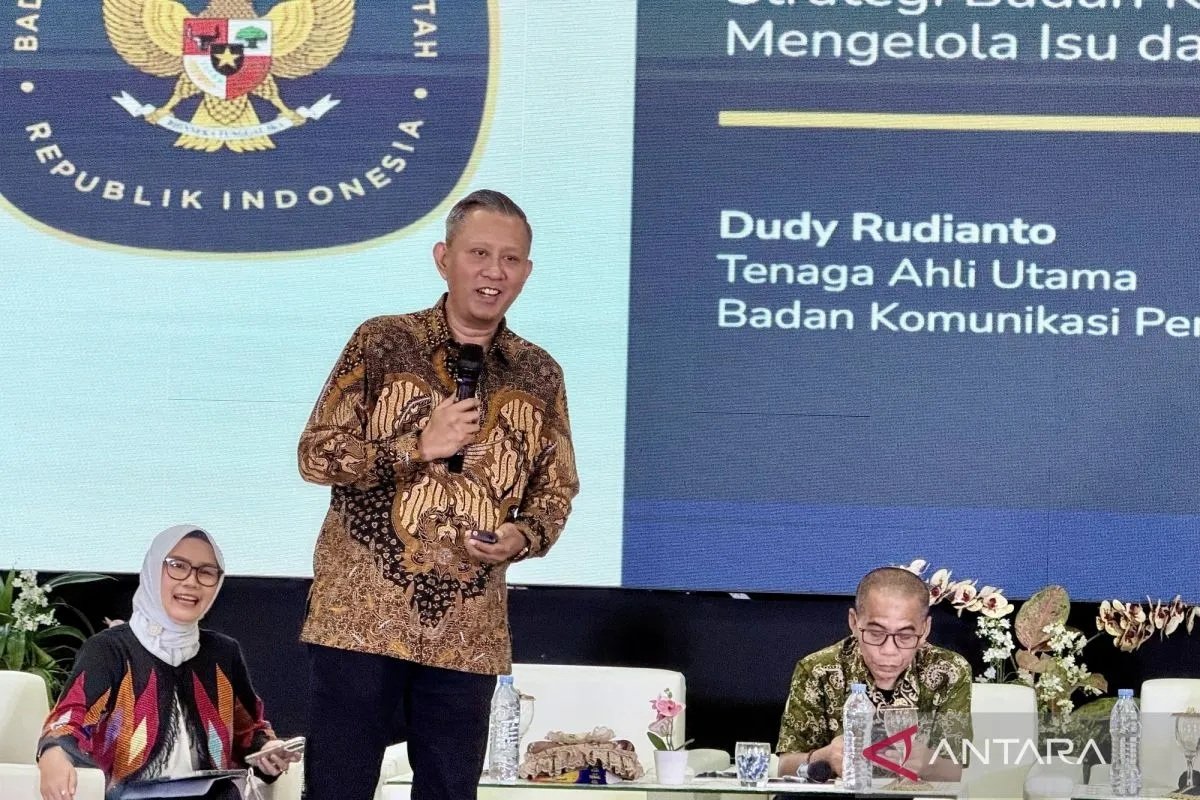
“The 2026 World Cup has become one of the most discussed topics in Indonesia’s digital public sphere,” said Dudy Rudianto, Senior Expert for Communication Strategy and Systems at BAKOM RI, during the Public Communication Summit 2026, themed Synergy in Managing Issues and Reputation in the Digital Era, held in Banjarmasin, South Kalimantan, on Wednesday.
According to Dudy, the high level of public satisfaction is largely driven by expectations of broader and more equitable access to live matches. As premium sports content increasingly shifts behind paywalls, TVRI’s role as rights holder is being viewed as a more inclusive alternative.
“TVRI’s presence as the official broadcaster is perceived as opening wider access for people across the country to enjoy the matches without additional costs,” he said.
BAKOM’s findings show that around 60 percent of conversations related to TVRI’s broadcasting rights carried a positive tone. Much of the sentiment reflected a combination of pride and nostalgia.
For many Indonesians, the return of the World Cup to public television evokes memories of an era when the world’s biggest football tournament could be enjoyed collectively without subscription barriers.
Of the positive responses recorded, approximately 35 percent specifically praised the free-to-air access. Many users noted that the arrangement would enable viewers from all economic backgrounds to follow the tournament without subscribing to cable television or premium streaming services.
The trend, analysts say, underscores the continuing relevance of public broadcasting in ensuring equitable access to information and entertainment. In many regions of Indonesia, terrestrial television remains a primary source of quality programming.
Beyond entertainment, public discussions have also highlighted potential economic benefits. Around 25 percent of positive conversations linked the World Cup to opportunities for local economic activity.
Many respondents pointed to the widespread tradition of communal viewing events, which are expected to generate additional income for micro, small and medium enterprises (MSMEs).
Coffee shops, restaurants, culinary centers and businesses providing projection screens and audio equipment are among those expected to benefit from increased social and commercial activity during the tournament.
However, not all reactions have been optimistic. BAKOM identified approximately 25 percent of conversations focusing on technical and accessibility concerns.
Internet users questioned the quality of TVRI’s signal coverage in remote areas, picture quality, the availability of digital streaming services and the possibility of encryption systems affecting satellite-dish users.
Such concerns reflect longstanding challenges related to uneven broadcasting infrastructure across the archipelago. For many viewers, successful rights ownership alone is not enough; the quality and accessibility of the viewing experience remain equally important.
Meanwhile, about 15 percent of conversations carried a more skeptical tone. Some users linked the World Cup broadcasting rights to broader narratives suggesting that major sporting events can serve as distractions from pressing national issues.
Nevertheless, BAKOM’s monitoring found that such negative sentiment remained significantly smaller than the overwhelmingly positive responses.
Dudy described the diversity of opinions as a natural feature of Indonesia’s increasingly critical digital landscape. He stressed that both government institutions and broadcasters must maintain open and responsive communication with the public.
“Strengthening broadcast service quality and ensuring transparent public communication will be essential to maintaining public trust while maximizing the social and economic benefits of the 2026 World Cup broadcasts,” he said.
For TVRI, the 2026 World Cup represents more than a sporting spectacle. It offers an opportunity to demonstrate the continuing relevance of public broadcasting amid growing competition from digital platforms.
For millions of Indonesians, meanwhile, free access to the tournament represents something simpler: the chance to experience football’s greatest celebration together, regardless of income level or geographic location.
source: BAKOM RI: Kebahagiaan Publik Terhadap Piala Dunia 2026 capai 80 Persen – Konvergensi Majalah MATRA