IndonesianTalk.com — Political Elites, Disaster and the 2029 Election: Between Image-Building and a Wounded Public
YOGYAKARTA — Indonesia’s disaster season shows little sign of easing, with thousands of people affected by floods, landslides, forest fires, extreme weather and other hazards. Yet as communities struggle with recurring disasters, the attention of much of the country’s political elite appears increasingly focused on the 2029 elections.
Official data from the National Disaster Mitigation Agency (BNPB), as of Sept. 7, recorded 1,730 disasters across Indonesia since the beginning of the year.
Forest and land fires accounted for the largest share, with 627 incidents, followed by floods with 543, extreme weather with 324, landslides with 105 and droughts with 101. There were also 14 tidal floods and abrasion incidents, 13 earthquakes and three volcanic eruptions.
The figures have renewed questions about whether disaster management has become a political priority — or remains largely a matter of emergency response whenever tragedy strikes.
Between July and September, several incidents attracted national attention, including the eruption of Anak Krakatau and a 7.7-magnitude earthquake in Flores, East Nusa Tenggara.
The Anak Krakatau eruption was particularly painful for the journalism community, with several journalists reported missing while covering the disaster. Their fate remains unresolved.
Forest and land fires have also struck several provinces, including West Kalimantan, South Kalimantan, Central Kalimantan, Riau, Jambi and South Sumatra.
Against this backdrop, political parties have increasingly turned their attention toward electoral consolidation, including the appointment of regional and branch-level officials, political networking and preparations for the 2029 presidential race.
Former president Joko Widodo has continued to attract political attention, while the formation of volunteer groups and political networks supporting Vice President Gibran Rakabuming Raka has intensified. Politicians expelled from their parties have also continued to make political visits to influential figures in Solo.
Meanwhile, survey agencies have become increasingly active in speculating about potential “dark horses” and possible presidential and vice-presidential pairings for 2029.
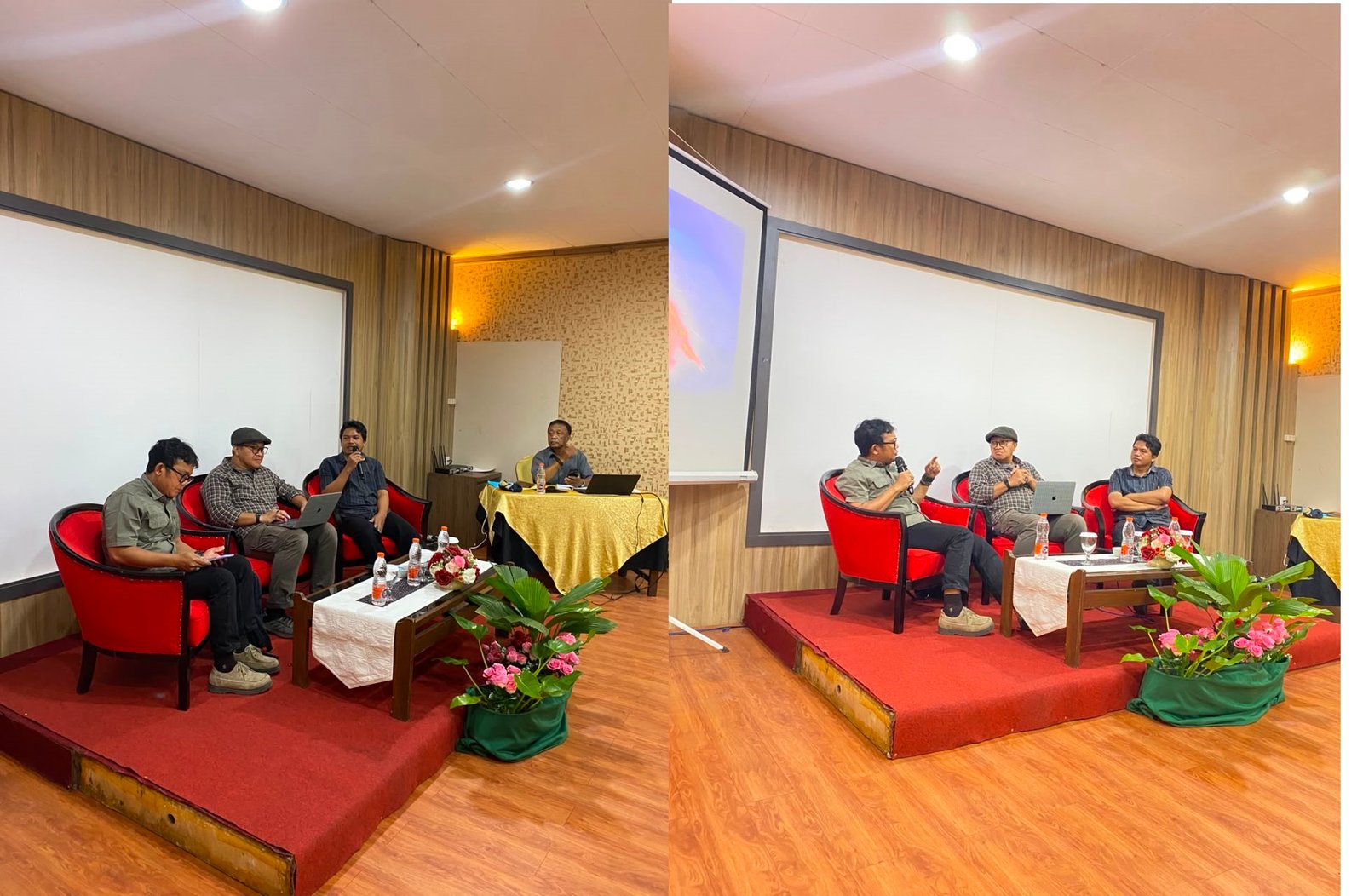
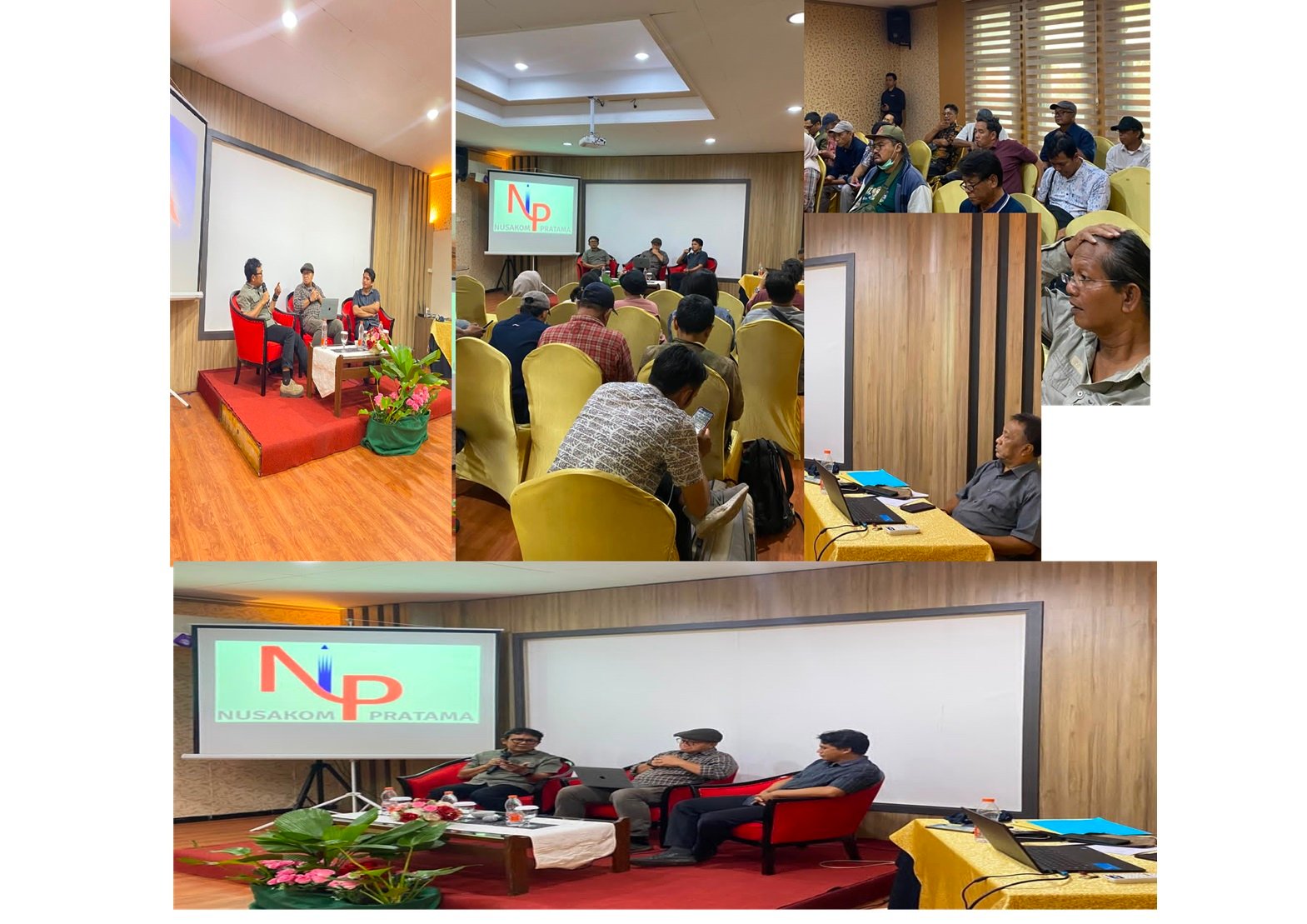
The contrast between the political calendar and the disaster calendar was sharply examined during a public discussion at the University Club (UC) of Gadjah Mada University in Yogyakarta on Tuesday.
The discussion, titled “Political Party Elites and Disasters: Between Image-Building, the 2029 Election and a Wounded Public,” brought together political analyst and Indonesian political dynamics researcher Dr. Arie Sujito of UGM and disaster studies researcher Didik Krisdiyanto of UIN Sunan Kalijaga.
Arie argued that political parties were increasingly trapped in a narrow electoral logic.
“Political parties are more concerned with polishing their image on social media and building coalitions for 2029. Disasters become temporary commodities — they dominate the news for three days and are then forgotten,” Arie said.
He said disasters should instead be treated as a long-term humanitarian and political issue.
According to Arie, public memory of disasters should eventually become part of voters’ considerations when they assess political parties and candidates.
“If political parties ignore disaster preparedness and management, they are effectively burying themselves,” he said.
The problem, he argued, goes beyond political campaigning. The voices of disaster victims, the need for mitigation and post-disaster recovery are rarely reflected in the formal vision, mission and programs of political parties.
Such an absence, Arie said, undermines the representative function of political parties.
Didik offered a similar assessment from the perspective of disaster management.
Indonesia’s disasters, he said, have become increasingly complex and recurrent. The country does not necessarily suffer from a lack of data or technology. The more fundamental problem is political commitment.
“We know which areas are vulnerable to floods, landslides and earthquakes. The data exists. But mitigation policies are not being implemented. Budgets are cut, spatial planning rules are violated, and political parties have never made disaster risk reduction a priority,” Didik said.
He stressed that political parties should do more than distribute aid during emergencies.
They should push for stronger disaster-mitigation legislation, oversee disaster-related budgets and ensure that their cadres in the executive and legislative branches work toward reducing disaster risks.
The discussion was moderated by Dr. Ari Junaed, SH, M.Si, of the Nusakom Pratama Institute, who also teaches in several postgraduate programs at universities across Indonesia.
Ari emphasized that disasters should be treated as an ethical political issue rather than merely a technical one.
The discussion was attended by students, academics, civil society activists, disaster volunteers and journalists.
Participants produced several recommendations, including calls for political parties to incorporate disaster management into their platforms and organizational statutes.
They also called on the House of Representatives and the government to strengthen disaster-mitigation budgets and ensure that such funding does not become a casualty of efficiency drives.
Political cadres in disaster-prone regions should be encouraged to participate actively in early-warning systems and community preparedness programs.
Participants further proposed that disaster management be used as an indicator of political performance rather than simply as a tool for electoral popularity.
The meeting also issued a broader ethical appeal to national political elites to restrain political ambitions and avoid turning cultural ceremonies and traditional events into political spectacles aimed at validating individual political figures.
Political parties, participants argued, should return to their fundamental role as institutions for cultivating public-minded political leaders and representing citizens’ interests, rather than becoming shelters for individuals facing serious allegations or corruption cases.
The discussion ended with a simple but pointed reminder.
The 2029 election may be important. But for people currently living in evacuation tents, waiting for homes to be rebuilt and communities to recover, survival cannot wait until the next election cycle.
Political power ultimately depends on public legitimacy.
And when power becomes indifferent to the suffering of its citizens, that legitimacy begins to erode.